Influencers Don't Sell Products, They Sell Trust
What brands actually pay for in influencer marketing isn't reach or followers—it's trust. The campaigns that win are the ones that let creators sound like themselves, not scripts.
2 min read

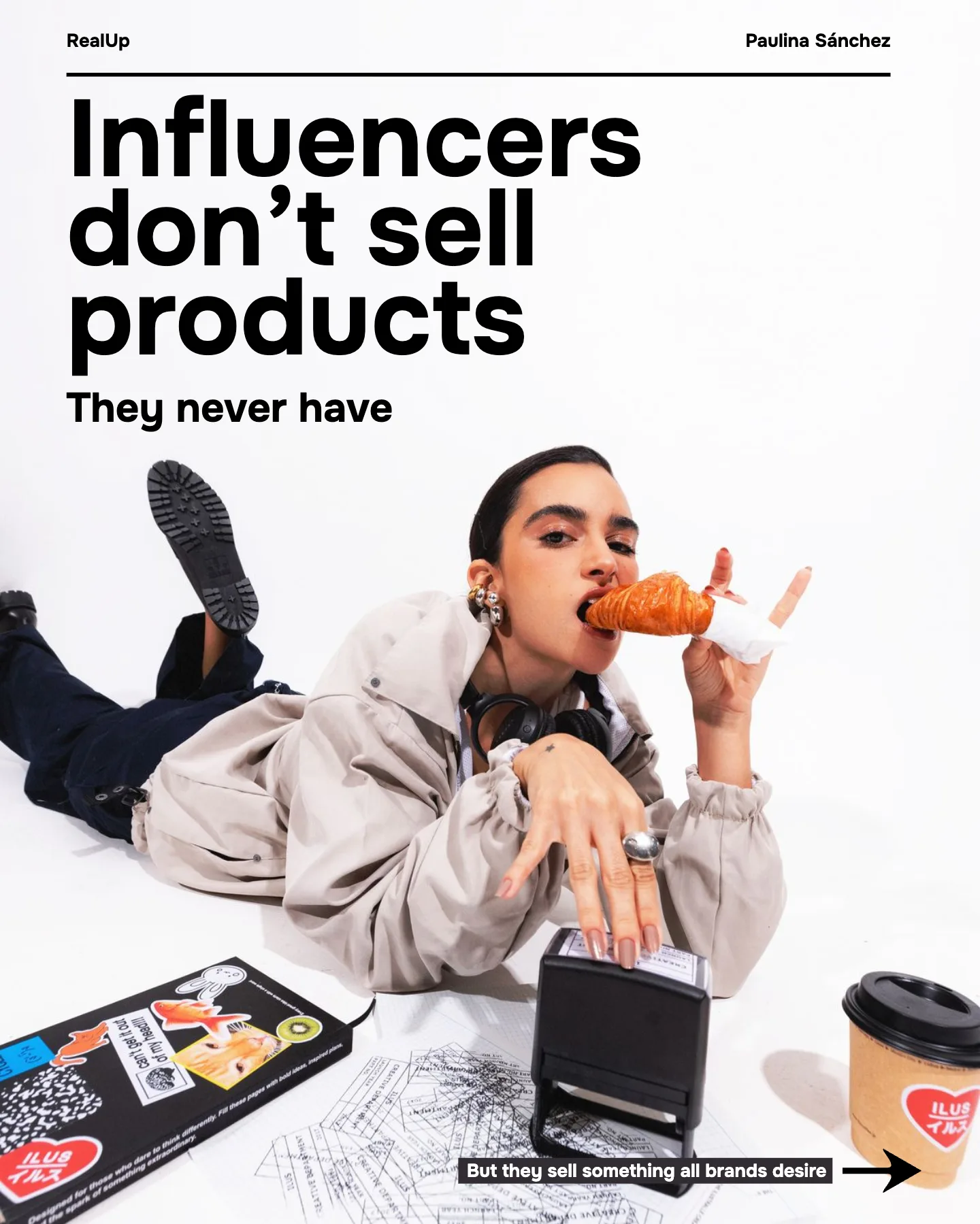
Influencers don't sell products; they never have.
What they sell is something brands have spent decades trying to manufacture and never could: Trust.
A real person speaking to an audience that already believes them.
That's the asset. Not the reach or the follower count, but the trust.
And most brands still haven't understood that.
They approach influencer marketing the same way they approach any media buy. They pick the biggest audience, hand over a script, add a disclosure, and wait for results.
What they don't realize is that the moment they hand over that script, they've already lost the thing they were paying for.
Because trust isn't something you can buy, it's something you borrow.
A creator builds it over time, through consistency, honesty, and a relationship with their audience that no brand can replicate from the outside.
By the time they recommend a product, the audience isn't hearing an ad, they're hearing advice from someone they trust.
That's a completely different mechanism.
And it only works if the creator still sounds like themselves.
This is why the brands winning with influencer marketing aren't the ones with the biggest budgets. They're the ones who understood that their job wasn't to control the message. It was to find the right person and trust them to deliver it.
They write briefs, not scripts. They share goals, not talking points. They give creative freedom because they know that's where the value lives.
After 500+ brand partnerships at RealUp, the campaigns that drove the highest ROI all had one thing in common: they didn't look like campaigns; they looked like genuine recommendations from people the audience already believed in.
That's not a coincidence; it's the mechanism.
And it only works in one direction.
Trust precedes purchase. Always.
The moment an audience feels like a creator is selling to them instead of talking to them, that trust breaks. And once it breaks, no budget in the world brings it back.
That's why we built a brand safety quiz at RealUp, because most brands either over-control their creators and quietly kill the mechanism, or give so much freedom they've lost the brand entirely. The quiz tells you exactly which side you're on:
Take the brand safety quiz
hereThe brands that understand this don't just run better campaigns; they build something far more valuable: an audience that's already predisposed to believe what their partners say.
That's what influencer marketing actually is, when it's done right.
Not a distribution channel, but a trust channel.
Enjoy this?
Follow me on LinkedIn